Janitorial vs. Deep Floor Cleaning: What's the Difference?
Deep floor cleaning is a specialized restoration process that removes embedded dirt and contaminants from below the surface using mechanical agitation and high-pressure extraction. Unlike janitorial cleaning, which focuses on daily surface debris and maintenance, deep cleaning restores the floor’s original appearance, slip resistance, and structural integrity.
What is the difference between janitorial cleaning and deep floor cleaning?
For most business owners in Phoenixville, PA , the distinction between these two services is often misunderstood. Standard janitorial cleaning is a vital, daily necessity designed to keep a facility presentable. It involves emptying trash, wiping surfaces, and performing basic floor maintenance like sweeping and damp mopping. These actions are meant to remove loose soil and topical spills before they become a safety hazard or an eyesore.
However, janitorial cleaning has strict limits. Because it relies on manual tools and general-purpose cleaners, it cannot address the grime that settles deep into the pores of commercial concrete or the microscopic pits in stone. Over time, daily mopping often pushes dirty water into grout lines and textured surfaces, leading to a gradual buildup that daily cleaning simply cannot touch. Deep cleaning, by contrast, is a periodic intervention performed by specialists like Elevate Surface Restorations who use heavy-duty equipment and targeted chemistry to pull that hidden dirt out entirely.
Why mopping alone often fails to clean commercial floors?
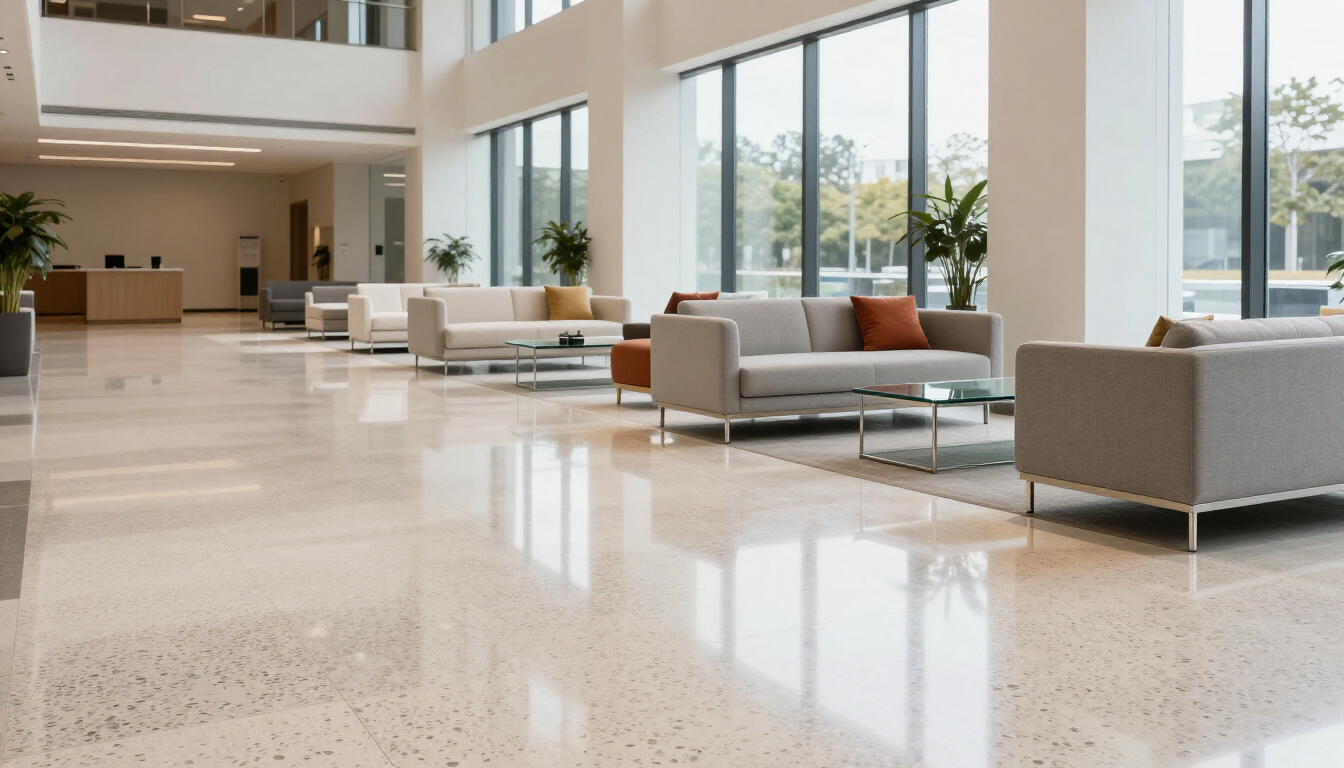
It is a common sight in retail stores and offices: a janitorial crew moving a mop across a vast floor. While this removes surface dust, it often creates a "film" or "haze" over time. There are three primary reasons why mopping alone is insufficient for long-term floor health:
- Dirty Water Recirculation: Even with frequent water changes, a mop bucket quickly becomes a slurry of grey water. Redistributing this water across the floor effectively paints the surface with a thin layer of bacteria and microscopic debris.
- The Gravity of Grout: In commercial tile and grout cleaning scenarios, the grout lines are lower than the tile surface. Mops act like squeegees, scraping dirt off the tile and depositing it into the porous grout channels.
- Chemical Residue: Many daily cleaners leave behind surfactants. If these aren't rinsed away with high-volume extraction, they remain on the floor, acting like a magnet for new dirt walk-in.
- Lack of Agitation: Stubborn scuffs and ground-in oils require mechanical force. A person with a mop cannot generate the hundreds of rotations per minute needed to break the molecular bond between grease and a hardwood floor .
- Surface Texture: Non-slip floors, common in kitchens and healthcare, are designed with high friction. Mops frequently snag on these textures, leaving fibers behind while failing to reach the low spots where bacteria thrive.
What specific steps are involved in a professional deep floor cleaning?
Professional deep floor cleaning is a multi-stage technical process. It begins with a thorough evaluation of the substrate. For instance, cleaning commercial marble requires an entirely different pH-balance than cleaning industrial concrete. Once the material is identified, the process typically follows these rigorous steps:
- Dry Soil Removal: Using industrial-strength vacuums to remove 99% of loose particulates that could scratch the floor during the wet phase.
- Pre-Treatment: Applying specialized emulsifiers that sit on the surface to break down oils, proteins, and old wax layers.
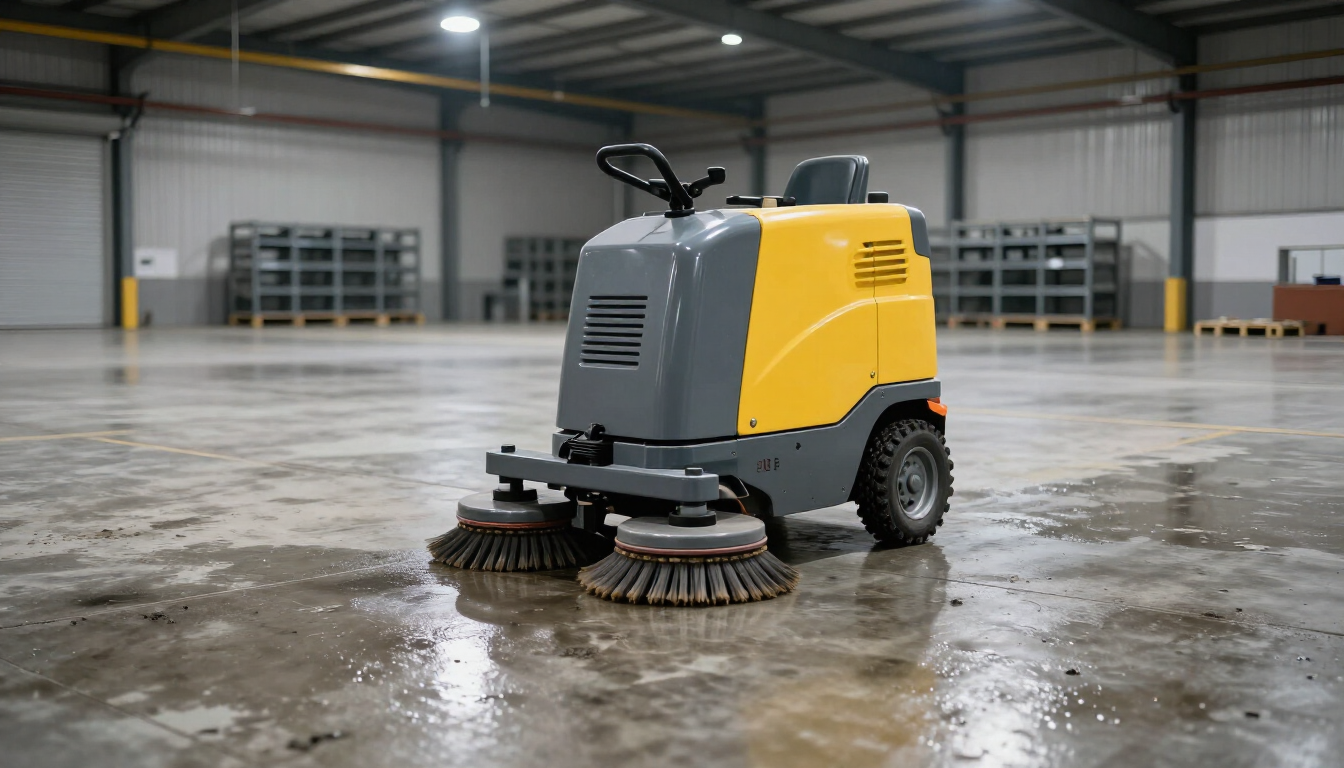
- Mechanical Agitation: Utilizing counter-rotating brushes or rotary floor machines to scrub the solution into every pore and crevice.
- High-Pressure Extraction: Using a self-contained vacuum system to blast the floor with hot water while simultaneously sucking the dirty liquid into a waste tank.
- Neutralization: A final rinse to ensure no chemicals are left behind, restoring the floor to a safe, neutral state that resists resoiling.
This level of care is essential for maintaining high-traffic zones in King of Prussia, PA or Malvern, PA . Without the extraction phase, you are never truly removing the dirt; you are just moving it around. Professional restoration ensures that the soil is physically removed from your building.
Essential Benefits of Specialized Surface Restoration
Investing in periodic restoration does more than just make the floor look good. It is a strategic business decision that impacts your bottom line. When floors are deep-cleaned, the surface becomes smoother and less porous. This makes the subsequent daily janitorial work more effective because there is less "grit" for their mops to catch on.
Furthermore, safety is a paramount concern for any business owner in West Chester, PA . Grease buildup on kitchen tiles or fine dust on polished concrete can significantly reduce the coefficient of friction, leading to slip-and-fall accidents. Deep cleaning restores the natural grip of the material. For delicate surfaces like commercial stone floors , deep cleaning also prevents the "etching" caused by abrasive dirt, which can lead to permanent, costly damage if left unaddressed.
Which businesses need deep floor cleaning most?
Every commercial property with hard surfaces needs deep cleaning, but the frequency and intensity vary by industry. Higher foot traffic and environmental contaminants dictate the urgency.
- Healthcare and Senior Living: Hygiene is the top priority here. Deep cleaning removes pathogens trapped in porous surfaces that standard mopping misses.
- Retail Stores and Showrooms: Appearance is your brand. A dull, hazy floor in a luxury retail space in Exton, PA can subconsciously signal a lack of quality to customers.
- Gyms and Schools: These environments face heavy sweat, oils, and outdoor salt or mud. Deep cleaning is necessary to maintain sanitation and floor longevity.
- Hotels and Churches: Large expanses of terrazzo or travertine define the aesthetic of these buildings. Regular restoration preserves the high-end feel without the need for total replacement.
How often should your business schedule professional floor care?
The frequency of your commercial floor care programs depends on your specific environment. A low-traffic office in Collegeville, PA might only require a deep clean once or twice a year. However, a high-volume restaurant or a medical facility might need quarterly or even monthly intervention to stay ahead of the grime.
We recommend a bi-annual deep clean as a baseline for most commercial properties. This ensures that the "seasonal" buildup—such as winter salt or spring pollen—is stripped away before it can bond to the floor. By coordinating your janitorial staff with a professional restoration team, you create a comprehensive maintenance shield that keeps your property looking its best year-round.
Choosing the Right Professional Floor Care Program
When you move beyond basic janitorial services, you are looking for technical expertise. At Elevate Surface Restorations, we bring trained knowledge backed by certifications in stone, marble, and tile care. We understand that your floor is an asset that needs to be protected, not just a surface to be wiped.
Summary of Key Takeaways:
- Janitorial cleaning handles daily debris; deep cleaning removes embedded soil.
- Mopping often spreads dirt into grout lines and creates a chemical film.
- Professional extraction is the only way to physically remove contaminants from your facility.
- Deep cleaning improves safety by restoring slip resistance and floor grip.
- Regular scheduling (2-4 times per year) extends the life of your flooring investment.
If your floors look dull despite daily mopping, it is time to move beyond the mop bucket. Contact us today to discuss a custom restoration plan for your facility.
Recent Posts